
Rainforest, beaches and animals galore
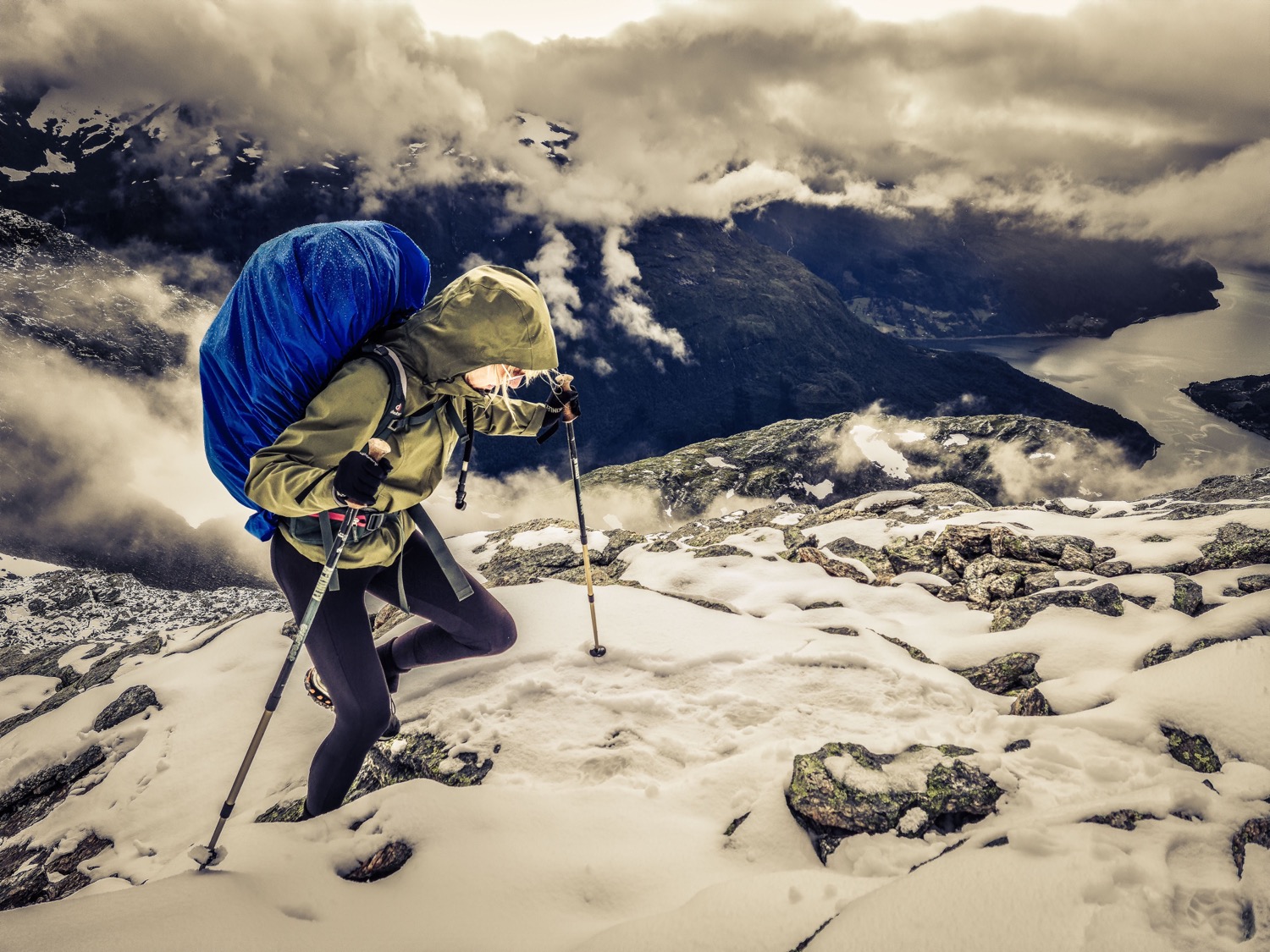
After a few days on Costa Rica's Pacific coast, we wanted to see some other ecosystems and headed inland. Arriving in Monteverde, we were shocked by how cold and windy it was. Apparently, that's normal for January...
Night in the Jungle
Here we planned our first "night walk." Since about 80% of the local wildlife is nocturnal, it seemed like a promising undertaking. Diego and I went along, as we started right after sunset at 6 p.m. We were even more amazed by what our guide Jason found in the complete darkness: sleeping birds and monkeys, as well as snakes and scorpions. The next morning, Micha went out again with Jason, this time focusing on birds, and was absolutely thrilled. I was glad I wasn't hiking with Diego for five hours on trails through the windy forest. His patience and stamina for wildlife viewing and long walks were limited. We preferred to have fun at the playground. Micha was absolutely delighted when he returned. They had even found the endangered, very rare resplendent quetzal. Probably the most beautiful bird in Costa Rica, if not anywhere. And, as if that weren't enough, a troop of spider monkeys was frolicking above them. As far as wildlife diversity is concerned, Costa Rica is still unsurpassed for us.

Exploring the biodiverse rainforest
We were still missing colorful frogs on our camera roll. So we were all the more pleased to find a frog pond at our next stop. Right after nightfall, we set off and, even without a guide, found the pretty red-eyed tree frog – probably the most popular photo subject in the country. We'd settled into the only lodge in Arenal National Park, right at the foot of the imposing volcano of the same name. It's only been dormant since 2010. Unfortunately, it's currently shrouded in clouds and mist. The lodge is pricey, but the location is priceless. A large network of trails winds through the primary forest; a unique ecosystem has developed on the fertile volcanic soil. Micha is thrilled by the birdlife and completes his photo series of native toucans. There are at least six different species in Costa Rica – each one more beautiful than the last. We spent two more days in the volcanic region, but unfortunately, the weather wasn't on our side, and we didn't catch a single glimpse of the Arenal volcano – only thick clouds and fog. At least we're constantly expanding our wildlife sightings, including some venomous species like the eye-leash viper and the tiny blue jeans frog. I'm deliberately using the wonderful, descriptive English names here. Who cares about a prehensile-tailed lancehead viper? All of this is only possible, however, because we're almost exclusively accompanied by a guide. Without their professional support, we'd find virtually nothing.

A paradise for sloths
Our visit to José in Guapiles, a less touristy region of Costa Rica, was a truly special experience. He has lovingly reforested his property over many years, creating a paradise for sloths. We happened to be in the area, once again to split travel time. The number of bird species at José's place is enormous, but what really impressed us (and what was still missing from our Costa Rican wildlife portfolio) was seeing sloths up close. And indeed, we saw not only the three-toed sloth but also the somewhat rarer, nocturnal two-toed sloth. We even spotted a mother with her one-month-old baby. Sloths sleep up to 22 hours a day and have an extremely low heart rate. This is all to conserve energy, as they feed almost exclusively on the low-calorie leaves of ant and almond trees. Their mission: sleep. Only the babies are a bit more active.

Finally, we search again for some frogs that hopped away too quickly during the last "photoshoot." Diego especially enjoys the forest paths with their many roots and stones. But what he likes best is when we get to try freshly squeezed sugarcane juice at the end. Well deserved :-)


Between venomous snakes and howler monkeys
Our last stop in Costa Rica is Cahuita National Park, right on the Caribbean coast. Upon arrival, however, the landscape looks anything but Caribbean. It's pouring with rain, and the sea is choppy and dirty. Unfortunately, a rain front is moving south from the USA. At least we're lucky on the second day, and the sky is blue again. We set off through the national park; there's only one trail, always along the coast. Currently, due to high water levels in the rivers, only the first 1.5 km are open. A relaxing walk with Diego.
To be honest, we're not expecting much anymore, since after about two weeks we've seen almost the entire spectrum of Costa Rican wildlife. And yet again, we're surprised. We actually spot a yellow lancehead viper—a venomous snake we've never seen before. Howler monkeys are constantly clambering overhead, some even with babies. So cute. Perfect for adding to our monkey photo collection. And here, too, we discover a two-toed sloth, which do prefer the heat. This time they even had a baby right above us. We were blown away. Unfortunately, we couldn't use the beaches because of the rough seas, but the visit to the national park was still worthwhile. Just like Costa Rica itself.

It's astonishing how many different animal species we saw in such a short time. All in the wild; often in mundane places and unexpected situations. You can tell that the wildlife here is well protected and can live without worry. Pura Vida!


Comments